A painful or infected tooth does not always need to be removed. In many cases, root canal treatment can remove the infection, relieve pain, and help preserve your natural tooth.
At Kakatiya Superspeciality Dental Hospital, patients looking for root canal treatment in Hanamkonda and root canal treatment in Warangal can receive a detailed examination and treatment plan based on the condition of the affected tooth.
With modern dental techniques and appropriate imaging, root canal treatment can be performed with greater precision and comfort.
What Is Root Canal Treatment?
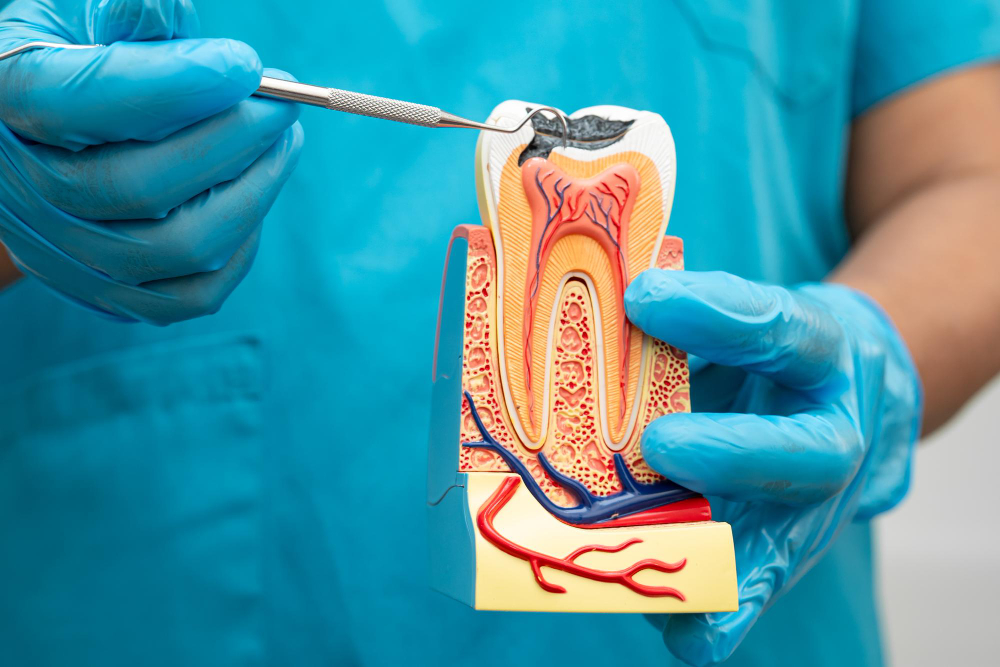
Root canal treatment is a dental procedure used to treat infection or inflammation inside a tooth. The treatment focuses on removing infected or damaged pulp, cleaning and disinfecting the root canals, sealing the treated tooth, and preserving the natural tooth whenever possible.
Root canal treatment in Hanamkonda may be recommended when the soft tissue inside a tooth, known as the pulp, becomes infected or severely inflamed because of deep decay, cracks, trauma, or repeated dental procedures.
If you are experiencing persistent tooth pain or sensitivity, consulting a root canal dentist in Hanamkonda can help identify the cause before the problem becomes more serious.
When Do You Need Root Canal Treatment?
Root canal treatment may be recommended when the pulp inside the tooth becomes infected or irreversibly inflamed.
Common causes include:
Not every toothache requires a root canal. A proper dental examination and imaging are needed to determine the cause of pain and the appropriate treatment.
If the tooth requires restoration after root canal treatment, a suitable crown or bridge treatment may be considered depending on the remaining tooth structure.
Benefits of Root Canal Treatment
The main goal of root canal treatment is to treat the infection while preserving the natural tooth whenever it can be successfully treated and restored.
Preserving the natural tooth, whenever it can be successfully treated and restored, can help maintain normal dental function.
Root Canal Treatment: Step-by-Step
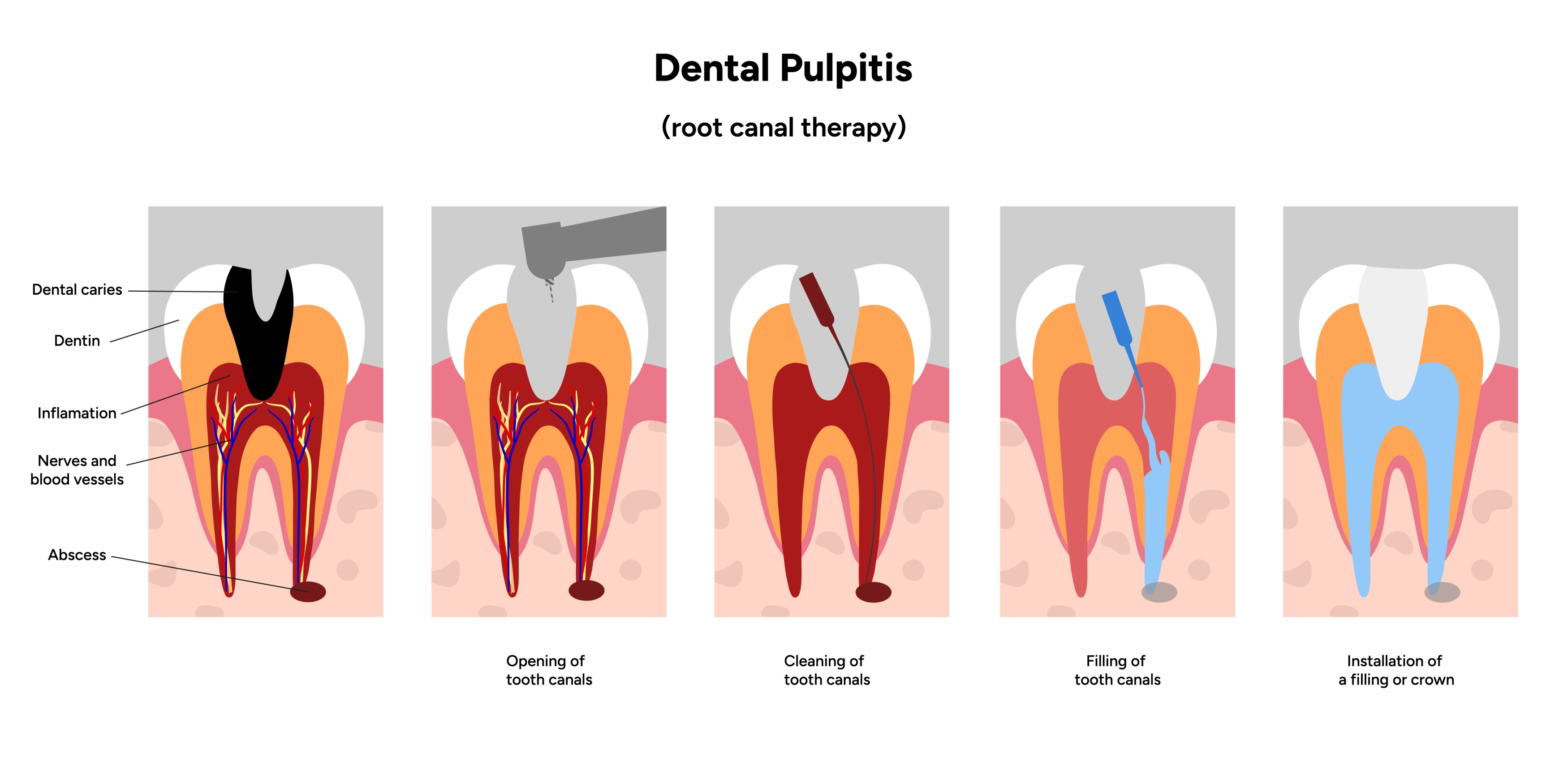
A typical root canal procedure involves several important stages. The exact treatment process depends on the tooth, infection, root anatomy, and overall condition.
Dental Examination
The dentist examines the tooth and may use dental imaging to understand the condition of the roots and surrounding structures.
Local Anesthesia
The affected area is numbed to keep the procedure comfortable. Modern anesthesia helps control discomfort during treatment.
Accessing the Tooth
A small opening is created in the tooth to reach the infected or inflamed pulp.
Cleaning the Root Canals
The infected pulp and damaged tissue are removed. The root canals are carefully cleaned and shaped.
Disinfection and Filling
The canals are disinfected and sealed with an appropriate filling material to reduce the possibility of reinfection.
Final Restoration
After root canal treatment, the tooth may require a crown or another suitable restoration to restore its strength and function.
Depending on the remaining tooth structure, restorative treatment such as crown and bridge treatment may be considered.
What to Expect During Root Canal Treatment
Many patients are worried about pain during root canal treatment. Modern anesthesia and dental techniques can make the procedure significantly more comfortable.
The dentist will numb the affected area before beginning treatment. During the procedure, you should not normally experience sharp pain, although you may feel pressure or movement.
If you are anxious about dental treatment, inform your dentist before the procedure so your concerns can be addressed appropriately.
Single Sitting Root Canal Treatment
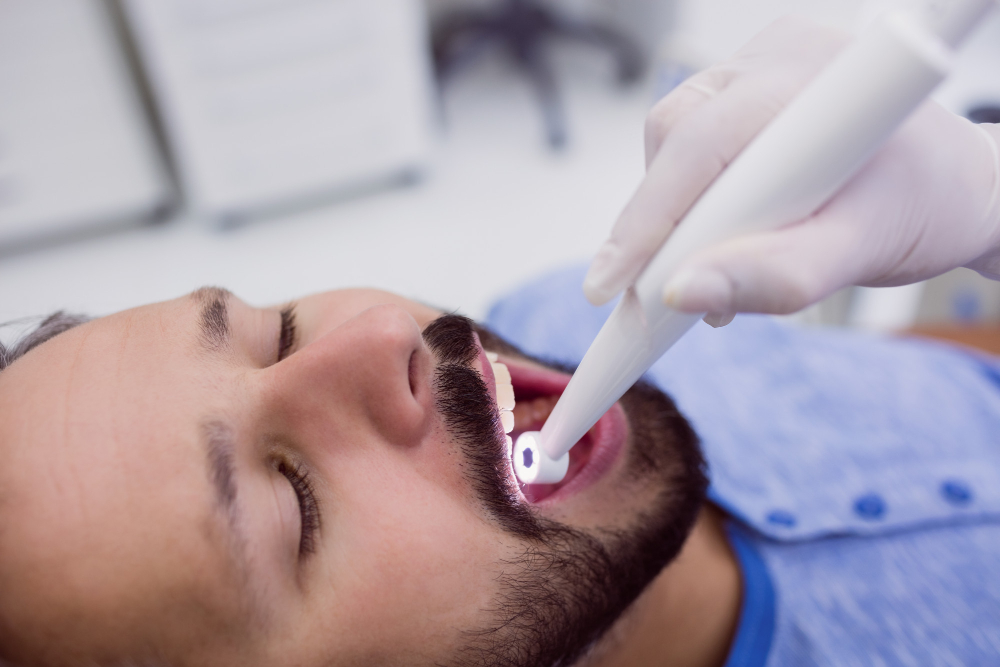
In selected cases, root canal treatment can be completed in a single appointment. Single Sitting Root Canal Treatment in Hanamkonda may be considered depending on the condition of the tooth, extent of infection, number of canals, and complexity of the case.
Single-visit treatment is not suitable for every tooth. Your dentist will determine whether completing treatment in one sitting is appropriate after evaluating the tooth.
The priority should always be proper cleaning, disinfection, sealing, and restoration of the tooth rather than simply reducing the number of appointments.
Painless Root Canal Treatment
Modern anesthesia and dental techniques can make root canal treatment significantly more comfortable.
The dentist will numb the affected area before beginning treatment. During the procedure, you should not normally experience sharp pain, although pressure or movement may sometimes be felt.
Patients who are anxious about dental treatment should discuss their concerns with the dentist before treatment so suitable arrangements can be made.
Common Symptoms of Tooth Infection
A tooth infection does not always cause the same symptoms in every person. Possible warning signs include persistent toothache, sensitivity to hot or cold, pain while biting or chewing, swelling around the tooth, tender or swollen gums, tooth discolouration, pus, an unpleasant taste, or pain that continues after eating or drinking.
Some infected teeth may have very few symptoms. This is why regular dental examinations are important. If you are looking for tooth infection treatment in Warangal, do not delay an evaluation when you notice persistent dental symptoms.
Root Canal Treatment Recovery and Aftercare
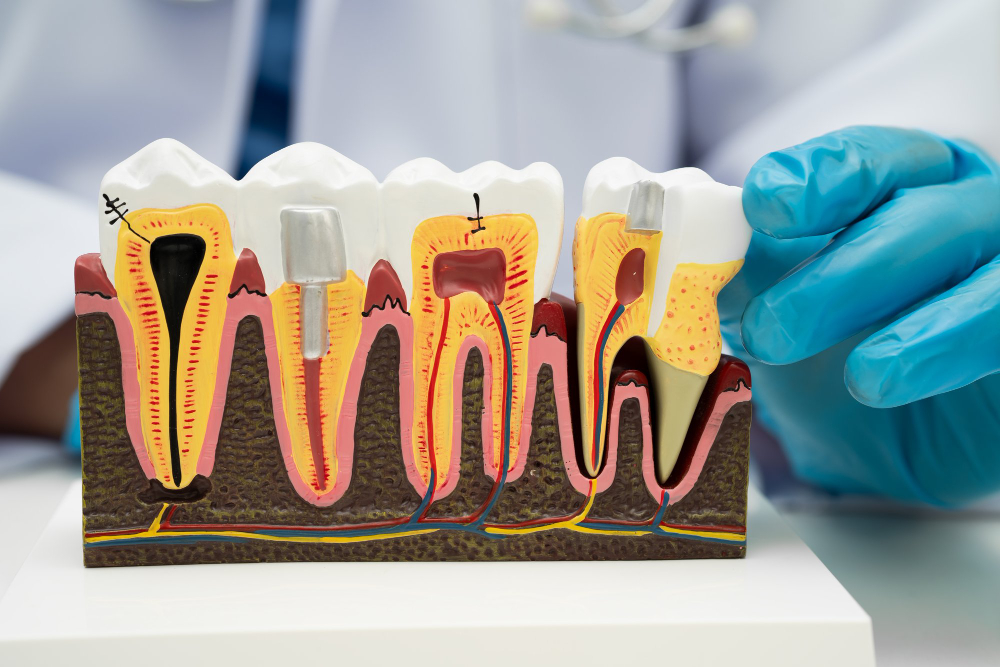
Some tenderness or mild discomfort may occur after root canal treatment, particularly when the tooth was infected or inflamed before treatment.
Following your dentist's instructions can support recovery. After treatment, general care may include:
Root Canal Treatment with RVG Imaging
RVG, or Radiovisiography, is a digital dental imaging technology that can provide detailed images of teeth and surrounding structures.
During root canal treatment, imaging can help the dentist assess root and canal anatomy, working length, surrounding bone structures, treatment progress, and final results.
Using appropriate imaging alongside clinical examination can support accurate diagnosis and treatment planning.
Dental Crown After Root Canal Treatment
A root canal-treated tooth may become more vulnerable to fracture, especially when a significant amount of its original structure has been lost.
For this reason, a dental crown may be recommended after treatment, particularly for back teeth that experience significant chewing forces.
The dentist will assess the remaining tooth structure and recommend an appropriate restoration. Depending on your needs, you can explore our Dental Crowns and Bridges treatment options.
Post and Core Restoration
In some cases, a root canal-treated tooth has insufficient remaining structure to support a crown directly. A post and core restoration may then be considered.
A post can provide internal support while the core helps rebuild the tooth structure required to support a crown.
A post is not automatically required after every root canal. It is recommended only when clinically appropriate based on the amount of remaining tooth structure.
Complete Dental Care
Root canal treatment may be followed by restorative care depending on the condition and remaining structure of the treated tooth.
Where appropriate, patients can also explore other dental services such as crowns and bridges or dental implants when replacement treatment is clinically required.
The most suitable option depends on the individual dental condition and should be determined after examination.
Why Choose Kakatiya Superspeciality Dental Hospital?
Choosing the right dental team is an important part of root canal treatment. At Kakatiya Superspeciality Dental Hospital, patients can receive detailed examination and treatment planning based on the condition of the affected tooth.
Root canal treatment may include conventional treatment, single-sitting treatment in selected cases, and treatment supported by rotary technology and RVG imaging.
Depending on individual dental requirements, patients can also explore Dental Implants , Crown and Bridge treatment , Oral and Maxillofacial Surgery , Orthodontics , and other dental services.
Patients can discuss their concerns, understand their treatment options, and receive a plan based on their specific dental condition.
Frequently Asked Questions About Root Canal Treatment
The cost of root canal treatment in Hanamkonda depends on the tooth involved, number of canals, complexity of infection, technology used, and final restoration required.
A consultation can provide a more accurate estimate based on the condition of the affected tooth.
Modern anesthesia and techniques can make root canal treatment in Warangal comfortable for most patients.
Some mild tenderness may occur after treatment and usually improves as the area heals.
The treatment time varies depending on the tooth and complexity of the case.
Some suitable cases may be completed in one sitting, while others require additional appointments.
You should consider consulting a root canal specialist in Warangal if you have persistent tooth pain, prolonged sensitivity, pain while biting, swelling, or other signs of possible infection.
Early evaluation can help identify the cause of the symptoms and determine the appropriate treatment.
In many cases, root canal treatment can help save an infected natural tooth.
However, the possibility of saving the tooth depends on its remaining structure, infection, cracks, bone support, and overall condition.
No. Single Sitting Root Canal Treatment in Hanamkonda is suitable only for selected cases.
The dentist will assess the infection, canal anatomy, and overall condition of the tooth before deciding whether one-visit treatment is appropriate.
Protect Your Natural Tooth with Root Canal Treatment
Tooth pain or infection should not be ignored. Early diagnosis can help prevent an infection from progressing and may increase the possibility of preserving your natural tooth.
If you are searching for the Best Root Canal Specialist in Hanamkonda, an endodontist in Hanamkonda, or an endodontist in Warangal, Kakatiya Superspeciality Dental Hospital can help evaluate your tooth and recommend the appropriate treatment.
Whether you need conventional root canal therapy, single-sitting treatment, or advanced treatment supported by rotary technology and RVG imaging, the treatment plan should always be based on your individual dental condition.
Book Your Root Canal Consultation