Some dental conditions require more than routine dental treatment. Problems involving impacted teeth, jaw development, facial injuries, oral cysts, or complex conditions may require specialized surgical care.
Oral and maxillofacial surgery focuses on diagnosing and treating conditions affecting the mouth, jaws, face, and related structures. At Kakatiya Superspeciality Dental Hospital, patients looking for an oral and maxillofacial surgeon in Hanamkonda or an oral and maxillofacial surgeon in Warangal can receive a detailed evaluation and treatment plan based on their individual condition.
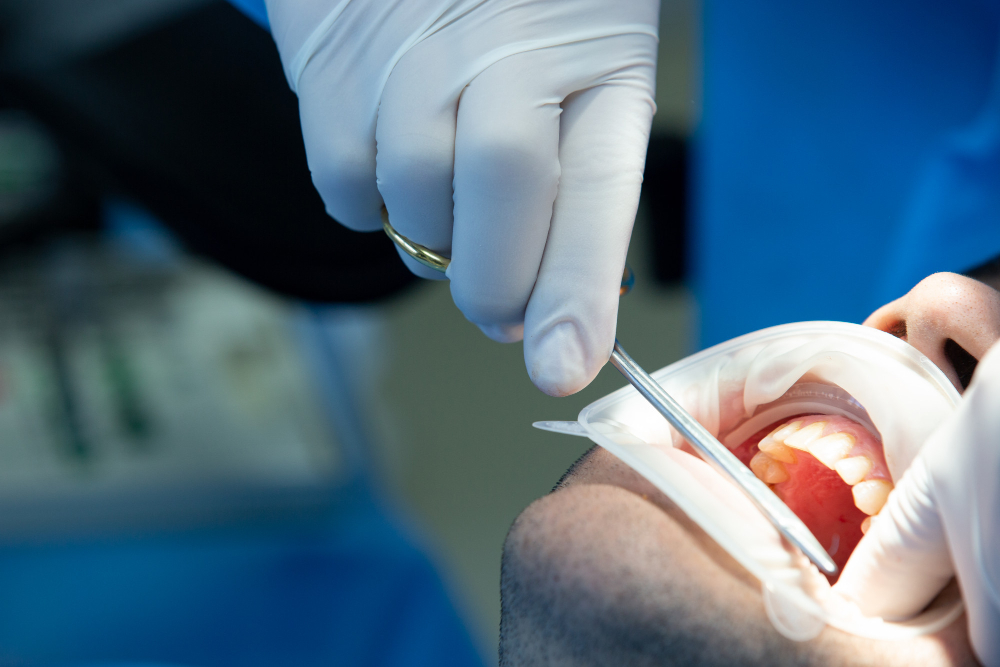
Oral Surgery in Hanamkonda
Oral surgery in Hanamkonda can involve a wide range of procedures, from difficult tooth extractions to surgical treatment of jaw and facial conditions.
A consultation with an experienced oral surgeon in Hanamkonda may be recommended when a dental problem cannot be effectively managed through routine treatment alone.
Oral and maxillofacial procedures may be required for impacted teeth, wisdom tooth problems, cysts or lesions, jaw abnormalities, facial injuries, and other complex dental conditions.
Conditions That May Require Oral Surgery
Oral and maxillofacial procedures may be required for different dental, jaw, and facial conditions.
The appropriate procedure depends on the location, severity, and nature of the problem.
For patients with wisdom tooth problems, wisdom tooth treatment may be recommended after a detailed examination.
Wisdom Tooth Removal and Surgery
Wisdom teeth are the last molars to develop and may not always have enough space to erupt properly. When a wisdom tooth becomes impacted, partially erupts, or causes repeated problems, surgical removal may be recommended.
Wisdom tooth surgery in Hanamkonda may be considered when a tooth is causing:
For patients searching for wisdom tooth removal in Warangal, an examination and dental imaging can help determine whether the tooth should be monitored or removed.
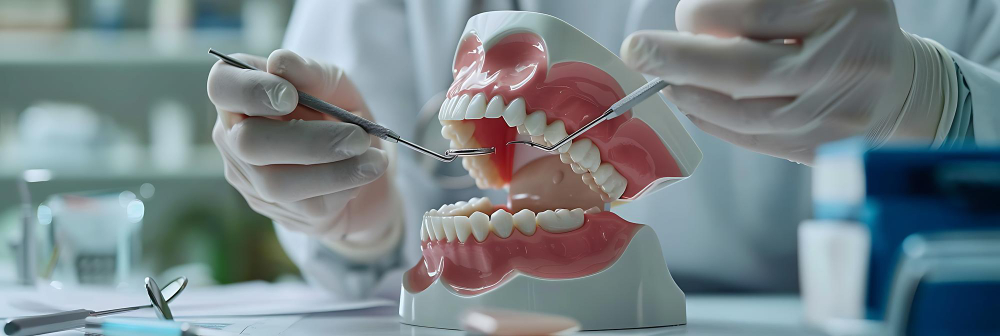
Impacted Tooth Removal and Canine Tooth Surgery
An impacted tooth is one that cannot erupt normally into its expected position. Wisdom teeth are commonly impacted, but other teeth can also become trapped beneath the gum or bone.
Impacted wisdom tooth surgery may involve carefully accessing the tooth and removing it in a controlled manner. In some cases, an impacted tooth may require a more specialized surgical approach.
The treatment plan depends on the tooth's position, root shape, surrounding structures, and overall oral health.
Tooth Evaluation
The position, condition, root structure, and surrounding structures of the impacted tooth are evaluated.
Dental Imaging
Dental imaging may be used to understand the position of the tooth and its relationship with nearby structures.
Surgical Planning
The surgeon determines the most appropriate approach based on the tooth's position, size, root structure, and surrounding anatomy.
Surgical Treatment
The impacted tooth is carefully accessed and removed using an approach appropriate for the individual case.
Recovery and Follow-Up
After surgery, specific aftercare and follow-up instructions are provided to support healing.
Canine Tooth Surgery
Canine teeth play an important role in the appearance and function of the smile. Sometimes a permanent canine remains trapped within the gum or bone instead of erupting normally.
Canine tooth surgery may be performed to expose the impacted tooth so that it can potentially be guided into its correct position, often as part of an orthodontic treatment plan.
Early evaluation can be useful when a permanent canine does not appear to be erupting as expected.
When required, surgical treatment can be coordinated with orthodontic treatment for comprehensive care.
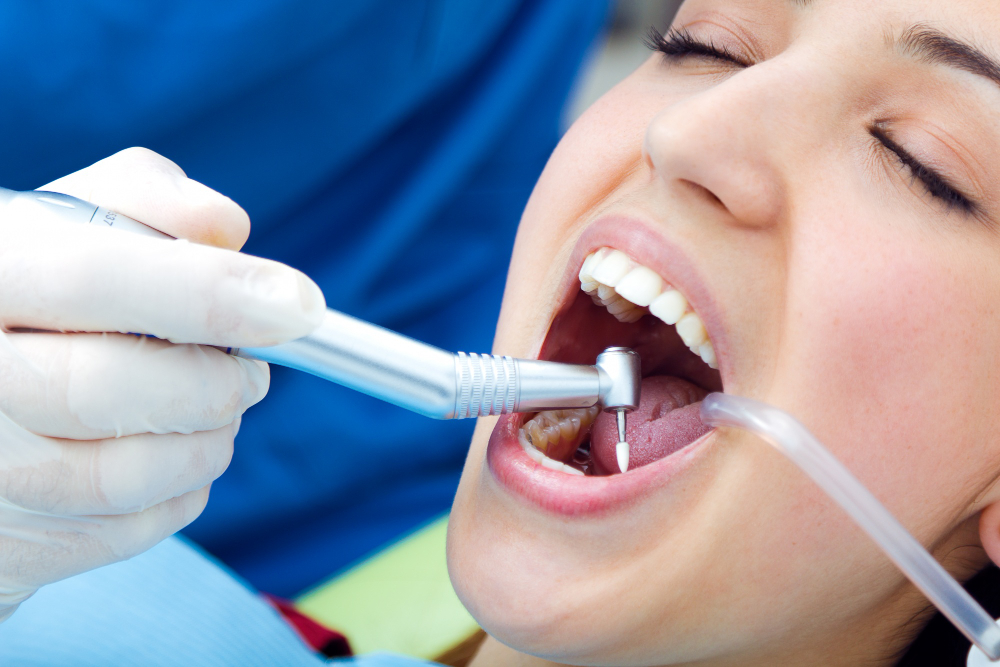
Apicoectomy and Apisectomy Treatment
When infection remains around the tip of a tooth root even after root canal treatment, surgical treatment may sometimes be considered.
An apicoectomy, also known as root-end surgery, involves accessing the area around the root tip, removing infected tissue, and addressing the affected portion of the root.
This procedure may be considered in selected cases where conventional root canal treatment retreatment is not suitable or has not resolved the problem.
Oral Cyst and Tumor Removal
Cysts and other abnormal growths can sometimes develop within the mouth, jawbone, or surrounding tissues.
Some may be discovered during routine dental imaging, while others can cause swelling, discomfort, or changes in the affected area.
Depending on the nature and location of the lesion, surgical removal may be recommended. The removed tissue may also require laboratory examination to establish an accurate diagnosis.
If you notice persistent swelling, an unusual lump, unexplained pain, or a change that does not heal, seek professional dental evaluation.
Jaw Surgery and Orthognathic Surgery
Some jaw-related conditions involve the position or relationship of the upper and lower jaws. When these problems cannot be corrected adequately through orthodontic treatment alone, jaw surgery may be considered.
Orthognathic surgery can be used in selected cases to correct certain jaw discrepancies and improve bite, chewing function, facial balance, and related concerns.
Treatment generally involves careful planning between the surgical and orthodontic teams.
Patients searching for maxillofacial surgery in Hanamkonda can discuss their jaw-related concerns during a comprehensive evaluation.
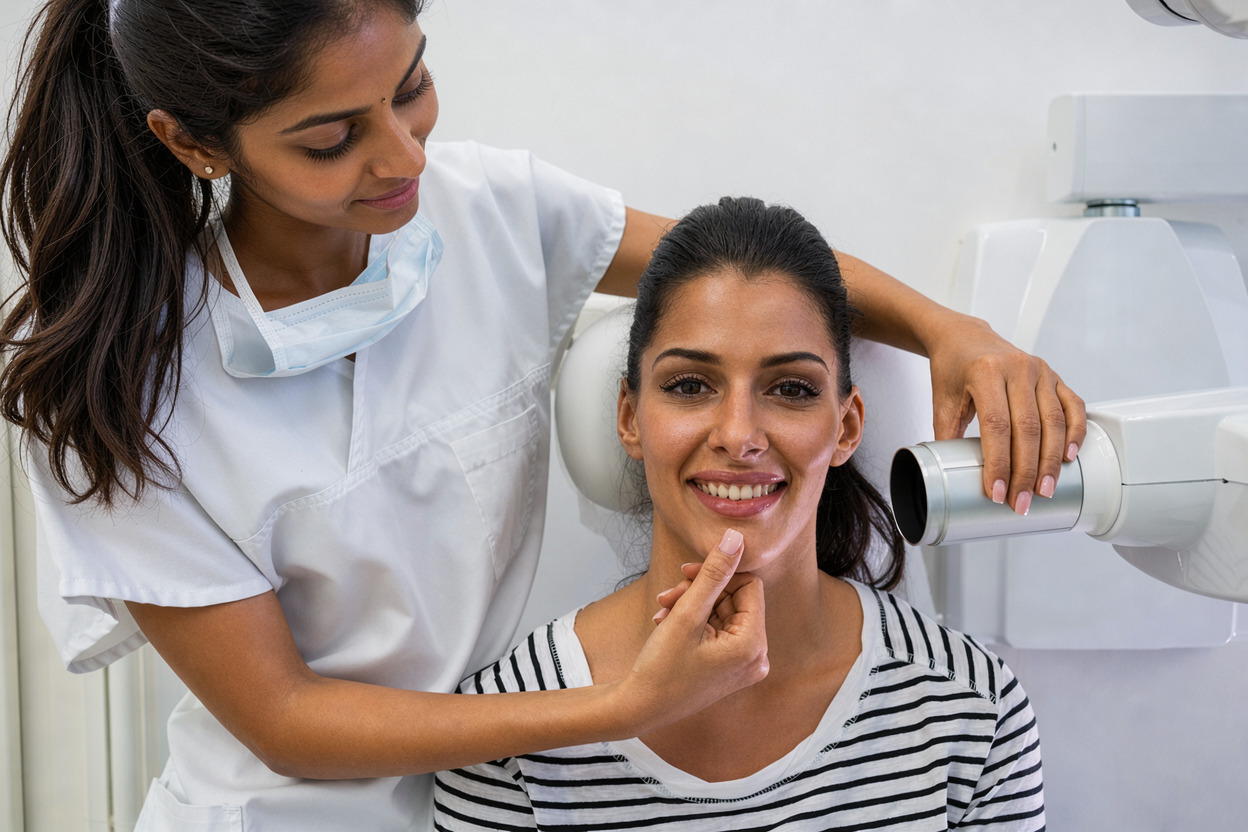
Facial Trauma and Jaw Fracture Treatment
Accidents and injuries can cause fractures or damage to the jaw, facial bones, and surrounding structures. These injuries may require urgent assessment to determine the extent of the damage.
Treatment depends on the type and location of the fracture and may involve observation, stabilization, or surgical intervention.
If you experience facial trauma accompanied by severe pain, swelling, bleeding, difficulty breathing, or inability to close or open the mouth normally, immediate medical attention is important.
For patients requiring maxillofacial surgery in Warangal, timely evaluation can help determine the appropriate treatment approach.
Oral Surgery for Complex Dental Conditions
Some dental problems involve multiple factors and cannot be treated effectively through a simple extraction or routine dental procedure.
Complex oral surgery may involve:
An oral surgeon in Warangal can assess the problem and explain the available treatment options before surgery.
Surgical preparation may also be required before dental implant treatment in selected cases.
Anesthesia Options for Oral and Maxillofacial Surgery
The type of anesthesia used during oral or maxillofacial surgery depends on the procedure, complexity of the case, patient's needs, and clinical assessment.
Depending on the treatment, options may include local anesthesia or other forms of anesthesia or sedation when clinically appropriate.
Before surgery, the dental team will explain the planned anesthesia, preparation requirements, and any precautions that need to be followed.
If you have concerns about dental anxiety, pain, or anesthesia, discuss them during your consultation.

Oral Surgery Recovery and Aftercare
Recovery depends on the type and extent of surgery. Your surgeon will provide specific instructions to support healing.
General aftercare may include:
Some swelling, discomfort, or sensitivity can occur after surgery. However, persistent or worsening symptoms should be discussed with your dental team.
Specialized Care for Complex Dental Conditions
Not every dental problem can be solved with routine treatment. When surgery is required, accurate diagnosis, careful planning, and appropriate aftercare are important for achieving the best possible outcome.
Kakatiya Superspeciality Dental Hospital provides evaluation and treatment for oral and maxillofacial conditions, including impacted teeth, difficult extractions, wisdom tooth problems, jaw conditions, oral cysts, and other complex dental conditions.
Depending on the patient's condition, treatment may also involve Dental Implants , Orthodontics , Root Canal Treatment , or Gum Surgeries .
Frequently Asked Questions About Oral & Maxillofacial Surgery
You may need to consult an oral and maxillofacial surgeon in Hanamkonda for impacted teeth, difficult extractions, jaw problems, oral cysts, facial injuries, or other complex dental conditions requiring surgical evaluation.
Depending on the condition, related services such as wisdom tooth treatment may also be considered.
An oral surgeon in Warangal can evaluate and treat conditions involving teeth, gums, jaws, and related oral structures that may require surgical care, including impacted teeth, complex extractions, cysts, and certain jaw conditions.
Not every wisdom tooth requires surgery. Wisdom tooth surgery in Hanamkonda may be recommended when the tooth is impacted, infected, causing repeated problems, damaging nearby teeth, or associated with other complications.
An examination and dental imaging can help determine whether wisdom tooth treatment is appropriate.
During impacted wisdom tooth surgery , the surgeon carefully accesses the tooth and removes it using an approach based on its position, size, root structure, and surrounding anatomy.
Anesthesia is used to keep the procedure comfortable.
Maxillofacial surgery in Warangal may be required for selected jaw conditions, facial trauma, jaw fractures, cysts, certain tumors, or other complex conditions affecting the facial bones and jaws.
Depending on the condition, surgical care may also be coordinated with Orthodontics or other dental treatments.
Recovery time varies according to the procedure and individual healing. Simple procedures may require only a short recovery period, while complex surgery can take longer.
Your surgeon will provide specific aftercare and follow-up instructions.
Get Specialized Care for Complex Dental Conditions
Not every dental problem can be solved with routine treatment. When surgery is required, accurate diagnosis, careful planning, and appropriate aftercare are important for achieving the best possible outcome.
If you are looking for oral surgery in Hanamkonda, oral surgery in Warangal, a maxillofacial surgeon in Hanamkonda, or a specialist for wisdom tooth removal in Warangal, Kakatiya Superspeciality Dental Hospital can help you understand your condition and available treatment options.